International Lecture: Using Genetics to Meet the Food Demand of 2050
TCoEFS hosts landmark international lecture examining the potential of genetics and genomic technologies in addressing global food security challenges.
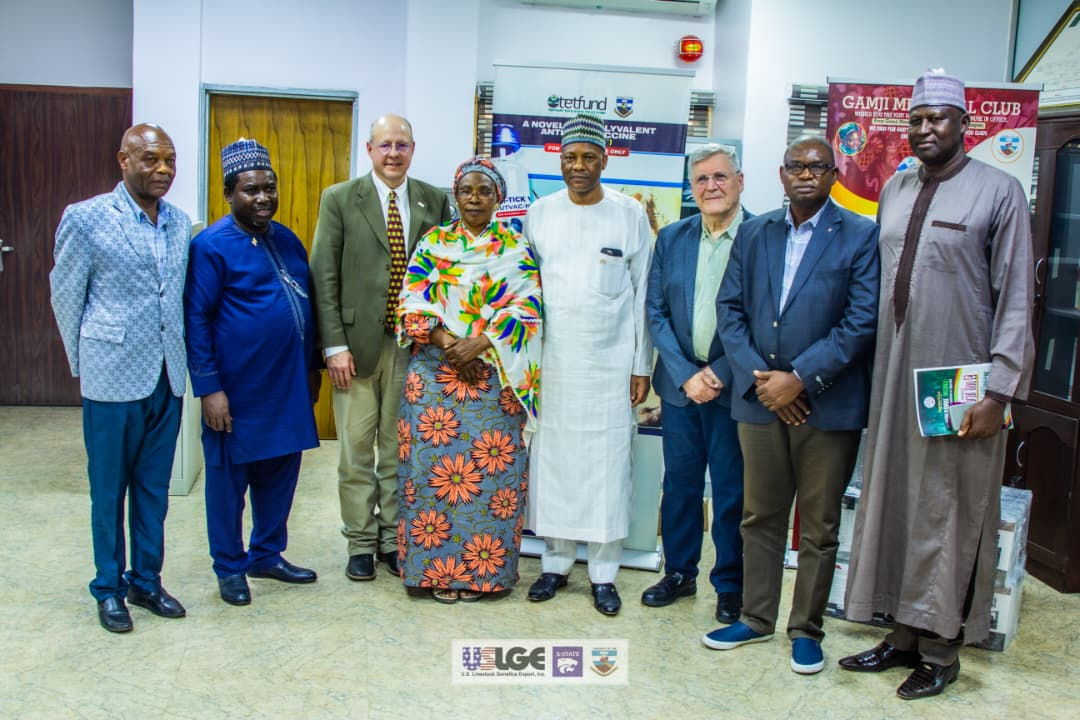
International Lecture: Using Genetics to Meet the Food Demand of 2050
Date: April 4, 2025
Venue: Aliyu Akwe Doma Indoor Theatre, Naraguta Campus, University of Jos
The TETFUND Centre of Excellence in Food Security (TCoEFS), University of Jos, in collaboration with the Faculty of Agriculture, University of Jos, hosted a landmark international lecture on "Using Genetics to Meet the Food Demand of 2050."
The keynote speaker, Dr. Bob Weaber, Professor of Animal Science and Extension Specialist at Kansas State University, delivered a thought-provoking lecture that examined the potential of genetics and genomic technologies in addressing global food security challenges. The lecture also featured Dr. Martin Sieber, President and CEO of the US Livestock Genetic Export (USLGE), a key partner institution.
The event attracted a wide range of participants, including university leadership, academics, researchers, postgraduate students, industry stakeholders, policymakers, and development partners.
Participation Overview
- Physical Attendance: 311 participants
- Virtual Attendance: 41 participants
This hybrid format enabled broad engagement, bringing together diverse stakeholders in food systems, animal breeding, and agricultural policy.
Lecture Highlights
Dr. Weaber stressed that with the world's population projected to surpass 9.7 billion by 2050, achieving food security will require science-led approaches. He argued that animal genetics and genomic innovations must become central pillars in global strategies to ensure sustainable and resilient food systems.
Key themes from the lecture included:
- Genetic selection for livestock breeds adaptable to diverse and changing environments.
- Enhancing reproductive efficiency, feed conversion ratios, and disease resistance.
- Deploying strategies to reduce greenhouse gas emission intensity in livestock systems.
- Building climate-resilient, economically efficient livestock systems that balance productivity with sustainability.
According to Dr. Weaber, advancing breeding technologies and scaling their adoption in African livestock systems will be critical to safeguarding future food security. He described genetics as a "cornerstone for the sustainability of meat and dairy production in the coming decades."
Policy and Research Recommendations
Dr. Weaber presented a practical roadmap for integrating genetics into African food and livestock systems. Recommendations included:
- Developing national breeding schemes adapted to local ecosystems and farming realities.
- Establishing comprehensive animal performance databases to inform decision-making.
- Expanding crossbreeding and genomic selection programmes to improve resilience and productivity.
- Training extension personnel and researchers in modern genetic tools and methodologies.
- Building commercial-scale farms as anchors for research uptake, innovation diffusion, and farmer adoption.
Institutional Engagement
The lecture was attended by the Vice-Chancellor, Prof. Tanko Ishaya, Deputy Vice-Chancellors (Academics and Administration), the Dean, Faculty of Agriculture, as well as visiting lecturers and other dignitaries. Their presence underscored the University's commitment to championing cutting-edge research, innovation, and capacity development.
Courtesy Visit to Plateau State Governor
As part of activities surrounding the lecture, the Director of TCoEFS, Prof. Dauda Bawa, led a delegation including Dr. Bob Weaber and Dr. Martin Sieber on a courtesy visit to the Governor of Plateau State, His Excellency Barr. Caleb Mutfwang.
The visit emphasized the importance of building synergies between academia, government, and international partners in shaping agricultural innovation and policy. The Governor expressed appreciation for the initiative and reiterated Plateau State's commitment to supporting programmes that enhance food security, improve farmer livelihoods, and strengthen resilience against climate change.